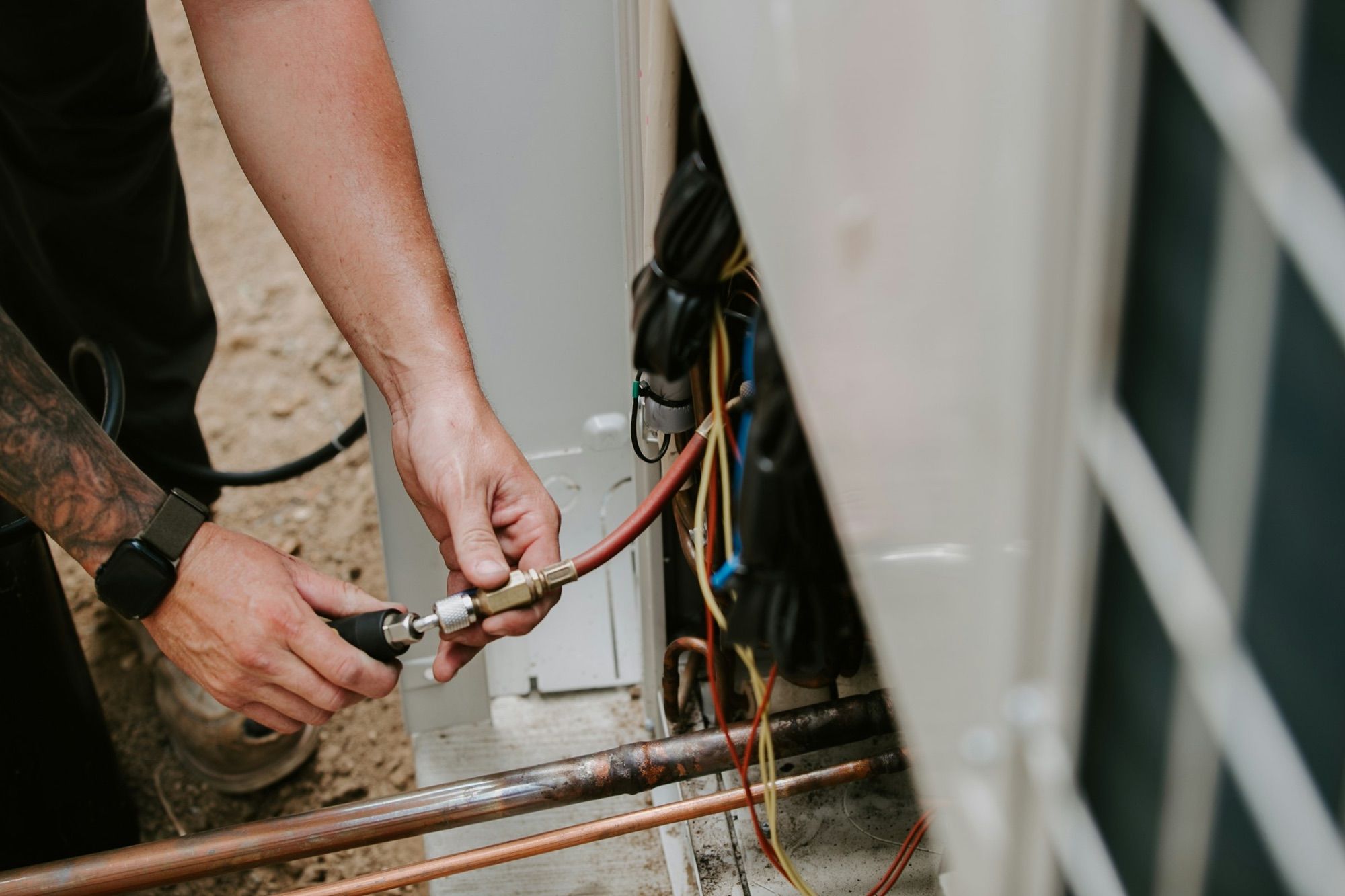
The faults we see most
- Blowing air but not cooling
- Usually low refrigerant from a slow leak, a blocked outdoor coil, or a failed capacitor or compressor. Topping up the gas without finding the leak only buys a few weeks, so we find it first.
- Water dripping indoors
- A blocked condensate drain or a failed pump. Common after a long, shut-up winter, when algae and dust set in the tray.
- Error codes and blinking lights
- Each brand has its own codes. Tell us what the display shows and the model on the label, and we can often name the likely cause before we arrive.
- Tripping the electricity
- A compressor drawing too much current, damp in the outdoor electrics, or simply too little contracted power for the house.
- Bad smells
- Mould and bacteria on the indoor coil and in the drain tray. A deep clean and disinfection sorts it out.
- Noise and vibration
- Worn fan bearings, loose panels, or an outdoor unit that has rusted off its mounts in the salt air.
Repair or replace?
We’ll give you a straight answer. If a unit is under ten years old and the fault is a fan motor, a circuit board or a leak in a joint we can reach, repairing it makes sense.
If it runs on R22, which can no longer be topped up legally, or if the compressor has failed on a fifteen-year-old system, your money is better spent on a new one that uses about half the electricity. We put both prices in front of you.
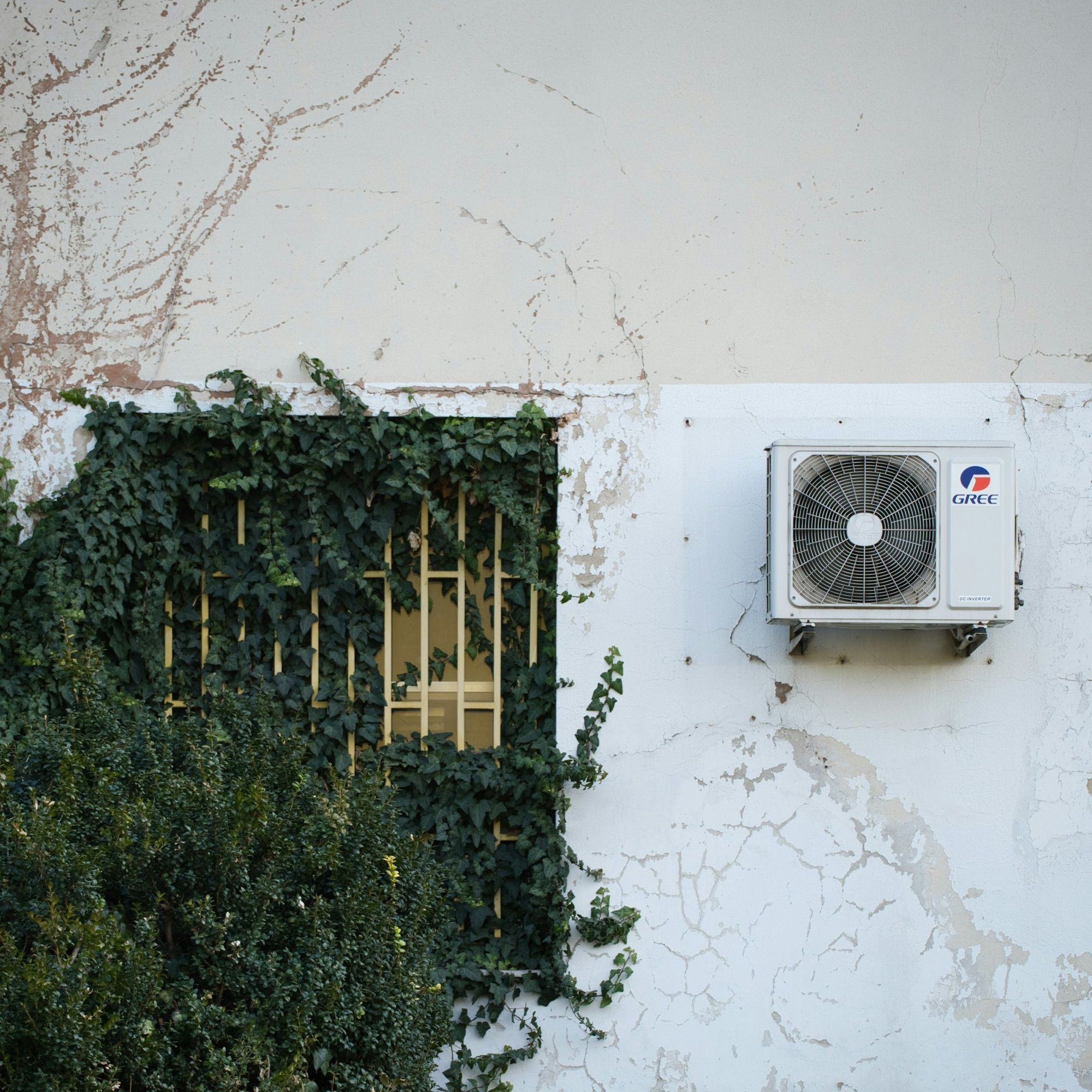
What a call-out involves
We ask a few questions first to rule out the simple things: a tripped breaker, a remote in the wrong mode, a filter that hasn’t been cleaned since the unit was fitted.
If we need to come out, the engineer finds the fault, explains it in plain language and gives you a fixed price. Most repairs are finished on the first visit. If a part has to be ordered, we tell you how long it will take and what it costs before you commit.